I'm a hustler of ideas, brands, creative teams, clients and culture.
Scroll to view more ↓
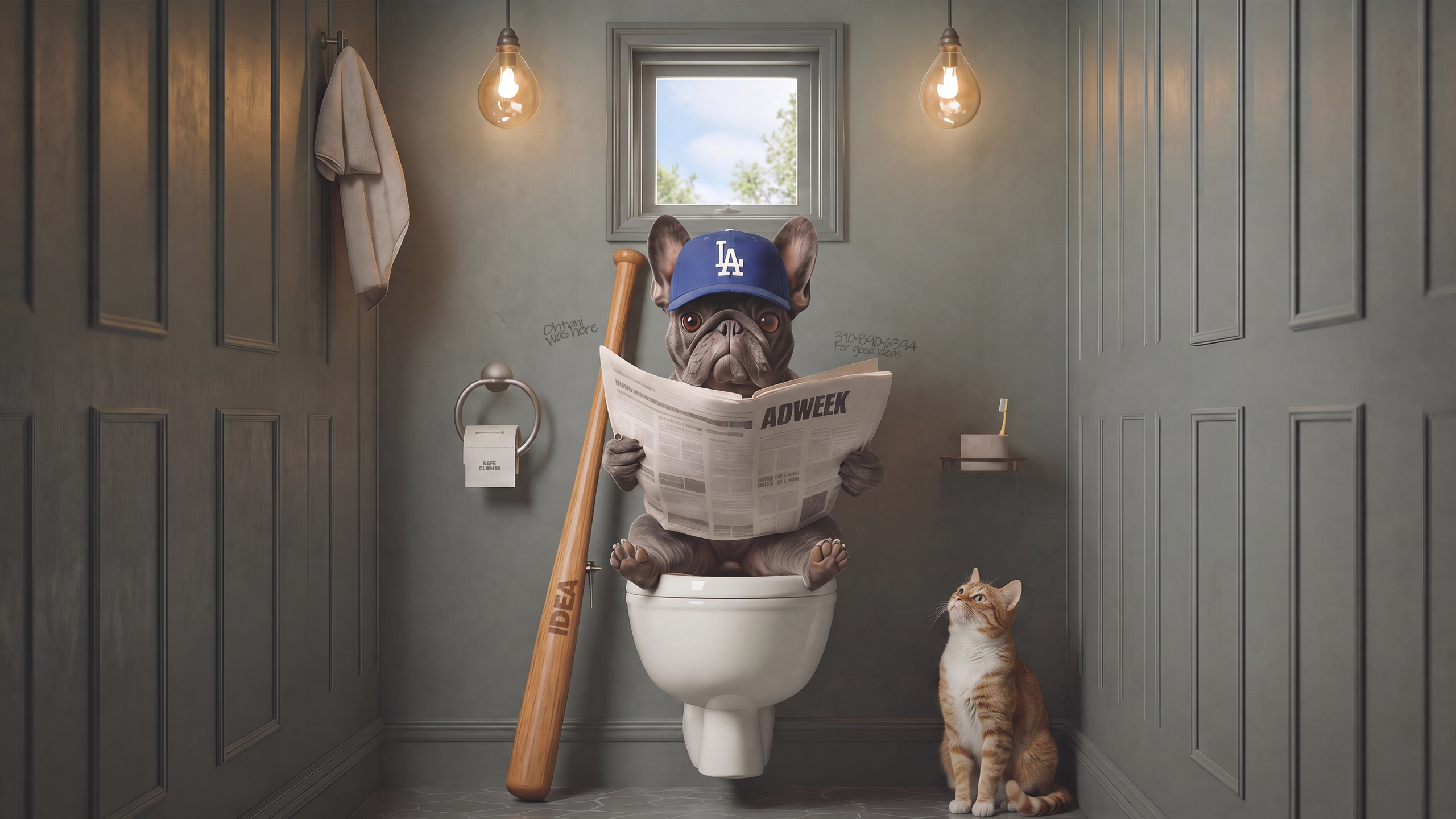
I grew up in a baseball family so I heard the term "hustle" quite a bit. Both my coaches and my parents would instill in me to always run hard, 100% effort is the floor not the ceiling, and to always move with a sense of urgency. So, "hustle" started to become one of my favorite words, especially when I grew up from baseball kid to working adult with a career. This word isn't just for my baseball self, it's how I approach every aspect of my job as a creative director.
Born and rasied in a small Midwestern town of 6000 people I was blessed to have an extremely diverse group of friends. The diversity in my close friends really shaped my wide range of interests, which in turn allowed me to to succesfully approach any breif for any brand that has come across my desk. From Kendrick Lamar to Steely Dan. From Lord of the Rings to Sleepless in Seattle and so on. I feel like my upbringing prepared me for this industry... or to be the next champion on Jeoprady.
But in all seriousnes I love this industry. Even with all of its ups and downs I feel like I have the best career in the world. To me it's one of the career paths that I belive that if you truly care, you will never stop learning and getting better. I never stop getting my own hands dirty in the work with everyone else. With that said, here's 5 things (of many) I learned that have stuck with me and helped shape me to be the creative leader that I am today and what I try instilling into the creatives I work with and lead.
1. Articulate the "Why". As a creative leader, if you cannot articulate the "why" in your feedback to teams, the work doesnt get better. They might come back with something different but not exactly better. I feel like if you cannot articulate why you love an idea, or why something isn't working, your teams have nothing to progress forward on. And equally important, you need to be able to articulate to clients why an idea is THE idea for them.
2. Listen more than you talk. Us creatives always have opinions and therefore always have someting to say. Don't get me wrong, that's not a bad thing. But the real magic trick is knowing when and how to make others feel heard. This goes for both the people you work with and the clients you work for. The effect of being a good listener is extremely powerful. Being a great listener will take you far in getting the best out of your teams and gaining the trust of clients to take the creative risks you know they should be taking.
3. Fight for the best ideas, but read the room as to how best pick that fight. Every meeting is different. Who is in that meeting, being internal or client facing can vary. Not only that, the moods of people in those meetings can also vary from day to day. I feel every creative leader should be willing to put their neck out for the best ideas, but there's an art to fighting for an idea to get others on board. Get good at reading the room and let that determine how to fight for and defend work. In the famous words of Bruce Lee ... "be like water".
4. If you cannot explain the idea to someone in a sentence, you've still got work to do. This doesn't always mean it's not a great idea. But not everyone is as close to it as you. So, think about your idea, and try to distill it down to a simple digestible sentence. If you nail that, they are going to want to hear more about it, and that's what you want. You want that "oh, please go on, tell us more". So, if this means having to re-write your idea over and over to get it just right to sell, that's what you do. With many presentations, that idea is only getting one shot
5. "Your presentation deck will travel without you". While this is a little more of a functional take, I stand by this, fight me ... Yes, during a client presentation we made them laugh, cry, or gave them gooebumps. But understand when you're in the room with clients, you get to be the hype-man (or woman) for the ideas and sell them. But we all know after we put on the show, articulate the strategy behind the work and answer all of their questions, they are 100% going to go back and look at all of it on their own. Therefore you have to ask yourself and your team "can our ideas and how we are presenting them keep clients excited and engaged days after we have left the room? Will they even still understand them the next day?